
Garage Door Openers: The Complete Buying Guide
Every drive type. Every brand. Every feature — explained clearly by a licensed technician, not a marketing department. Serving Phoenix & the East Valley.
How to Buy a Garage Door Opener in Mesa, Gilbert & the Phoenix Area
A garage door opener is the thing in your house you use more than the front door — and most people never think about it until it quits. This guide walks through everything that actually matters when you're choosing one: the drive types, how much power you need, the smart and safety features worth paying for, and what holds up in Arizona heat. By the end you'll know exactly what to look for. And if you'd rather just talk it through, Farnsworth installs and repairs every brand on this page across the Phoenix metro.
The 5 Drive Types — and Which Fits Your Garage
"Drive type" just means how the opener physically moves the door. There are five, and picking the right one is the single biggest decision you'll make. Start here.
Belt Drive
Ultra-quiet rubber-reinforced belt. The standard pick for attached garages or rooms above the garage.
Best for: attached garages, bedrooms nearbyChain Drive
Heavy-duty steel chain. Middle-of-the-road on noise, but durable, simple, and economical over decades.
Best for: detached garages, budget installsScrew Drive
A threaded rod that's fast and powerful — the loudest type, but with fewer moving parts and less to wear out.
Best for: heavy doors, frequent daily cyclesDirect Drive
The motor itself glides along a fixed chain — one moving part. The quietest residential opener made.
Best for: luxury homes, quiet-conscious installsWall Mount / Jackshaft
Mounts on the wall beside the door, not the ceiling. Frees overhead storage and cuts vibration.
Best for: high ceilings, ceiling-storage setupsThe deeper breakdown
Belt drive uses a rubber-reinforced belt instead of a metal chain — no metal-on-metal rattle, which makes it the default for an attached garage or any home with living space sharing a wall or ceiling with the garage. Chain drive is the proven, rugged, budget-friendly option — moderate on noise, and a great fit for a detached garage. Screw drive uses a threaded steel rod with fewer moving parts; fast and strong, but it's the loudest type and needs periodic lubrication. Direct drive moves the motor itself along a fixed chain — essentially one moving part, near-silent, extremely reliable, and premium-priced. Wall-mount / jackshaft bolts beside the door instead of the ceiling, clearing overhead space entirely.
Farnsworth tip: if your garage is attached to the house, start with belt or direct drive and only move off that if budget or storage goals point elsewhere. The noise difference is something you'll notice every single day.
Horsepower & Sizing — Matching the Opener to Your Door
An opener doesn't lift the whole weight of the door — the springs do that — but the motor still has to be sized right. Underpowered openers strain, run hot, and wear out early. In Arizona, heat is already working against you.
Fine for a standard single-car door, or a lightweight uninsulated double door.
Handles most double-car doors, including insulated ones, with margin to spare. If you're unsure, this is it.
For solid-wood, carriage-house, oversized, or extra-tall doors that need real lifting muscle.
Manufacturers also rate openers by maximum door height, width, and weight, and newer models often use "HPc" or "newton" force ratings instead of traditional horsepower. The real answer comes from looking at your actual door — its size, material, insulation, and whether the springs are healthy. When in doubt, size up: a slightly stronger motor runs cooler and lasts longer, which matters more here than almost anywhere.
Smart Features — What's Actually Useful
Smartphone control has gone from luxury to standard. Here's what the smart features actually do — and which ones are worth caring about.
Wi-Fi & App Control
Open, close, and check the door from your phone, anywhere. LiftMaster and Chamberlain use myQ; Genie uses Aladdin Connect. Get alerts if the door's left open and close it without driving home — the single most-used smart feature.
Built-in Cameras
Higher-end models (the "Secure View" lines) put a camera in the opener head — live feed and recorded clips through the app. Useful for watching deliveries or just confirming the door's down.
Voice Assistants
Many openers work with Amazon Alexa and Google Assistant for voice status checks and (with a PIN) voice closing. A nice convenience layer — not a reason to pick one opener over another by itself.
In-Garage Delivery
Amazon Key and Walmart InHome can deliver packages and groceries inside the garage on compatible models. If you order a lot and worry about porch theft, it's a genuine perk.
Farnsworth tip: almost every current opener is "smart" now — so don't pay a premium chasing Wi-Fi alone. Decide on drive type, power, and battery backup first; the smart features come along for the ride.
Security Features — Keeping Your Garage Closed to Everyone Else
Your garage door is one of the largest entry points to your home. Modern openers protect it in a few specific ways worth understanding.
Rolling-Code Technology
Every press, the opener and remote agree on a brand-new code. Old fixed-code openers can be captured and replayed by a thief's device — rolling code shuts that down. Branded Security+ 2.0/3.0 (LiftMaster, Chamberlain) and Intellicode (Genie).
Anti-Burglary & Auto-Locking
Some openers electronically resist being forced open, and pair with an automatic deadbolt that physically locks the door every time it closes — a real deterrent on an attached garage.
Encrypted Smart Access
The app connection itself is encrypted, and you can grant or revoke access for family members without handing out physical remotes that can be lost or copied.
Farnsworth tip: Security+ 3.0 (white learn button) doesn't pair with older Security+ 2.0 accessories. If you're adding remotes or keypads to an existing opener, the generation has to match — a detail we check on every service call.
Safety Features — The Non-Negotiables
Some opener features are nice to have. These aren't — they're the difference between a safe garage and a dangerous one, especially with kids or pets around.
Photo-Eye Sensors
A pair of sensors near the floor on each side of the door. Anything crosses the beam while closing, the door stops and reverses. Federally required since 1993 — if your opener doesn't have them, that alone is a reason to replace it.
Auto-Reverse
If the door contacts an obstruction on the way down, it reverses immediately. Combined with the photo eyes, it's the core safety system of any modern opener.
Soft Start / Soft Stop
The door eases into motion and eases to a stop instead of slamming. Easier on the door, the opener, and your ears — and it cuts wear over the long run.
Manual Release
A pull cord that disconnects the door from the opener so you can operate it by hand — essential during a power outage, which in Phoenix means every monsoon season.
Farnsworth tip: if your opener predates 1993 or its sensors don't work, don't "live with it." A door that won't reverse is the single most dangerous thing in a garage. We test the safety reverse on every service visit, free.
Battery Backup — The Upgrade We Recommend Most in Arizona
Arizona's monsoon season knocks the power out two or three times a summer — sometimes more, sometimes for hours.
Without battery backup, a power outage means your garage door doesn't work. You're stuck outside, stuck inside, or pulling the manual release in the dark and muscling a heavy door by hand. With battery backup built in, the opener keeps running for a set number of cycles on its own power — you don't even notice the grid is down.
It's also a safety and security issue: an outage during an emergency is exactly when you most need to get a car out, and a garage that's been manually released is easier to force open. Many current models from every major brand include battery backup; on others it's an add-on. Backup batteries do wear out every few years — faster in our heat — so it's something we test and replace as part of regular service.
Built for Arizona Heat — Why Temperature Ratings Matter Here
An opener that works fine in a mild climate can struggle in a closed Phoenix garage that passes 130°F in July.
Heat is hard on the parts that make an opener work: capacitors, plastic gears, logic boards, and lubrication all degrade faster at high temperatures. It's a big reason openers here tend to live shorter lives than the national average. The defense is to install a unit actually engineered for the temperature range — many quality openers carry an operating range up to roughly 149°F, real headroom over what a Valley garage sees. A generic builder-grade opener often doesn't.
Drive type plays in too: DC-motor belt and direct-drive openers generally tolerate heat better than older AC chain-drive units. When we recommend a model for a Phoenix-area home, the heat rating is one of the first things we look at.
Noise — Match the Opener to Where You Live
Opener noise is something you live with every day, so it's worth being deliberate about. Here's the quietest-to-loudest order at a glance:
If your garage is attached to the house — especially with a bedroom or living space above or beside it — belt or direct drive is worth the extra cost. If the garage is detached, a chain or screw drive's noise simply doesn't reach anyone, so the durability and lower cost win. A few other things matter in practice: soft start/stop smooths the jarring noises, proper installation keeps a quiet opener quiet, and a well-maintained, balanced door takes strain off the motor. A noisy opener isn't always the opener's fault — sometimes it's the door telling you something.
The Six Brands We Install — Compared
We install and service all six major opener brands. Here's the honest, plain-English take on each.
LiftMaster
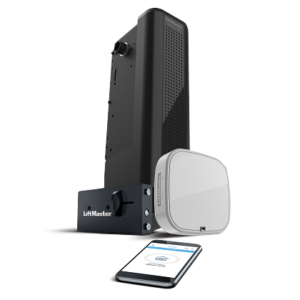
The brand most professional installers reach for. Deep lineup — Elite wall-mounts, Premium belt and chain drives, Secure View camera models — with myQ smart control. The default recommendation for a lot of Phoenix-area homes.
Chamberlain
LiftMaster's sister brand from the same parent company — the same engineering, sold more often at retail. Strong Wi-Fi belt drives, Secure View camera models, and lots of battery-backup options.
Genie
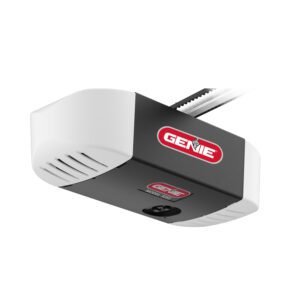
A DIY and retail mainstay for 60+ years. Wide range — Signature, SilentMax, StealthDrive belt drives, ChainMax chain drives, the MachForce screw drive — with Aladdin Connect smart features.
Marantec
German-engineered precision since 1957. The premium pick for tall, heavy, or architectural doors — side-mount RDD units handle oversized doors, and the Synergy line includes one of the fastest residential openers made.
Sommer
German direct-drive openers with a single moving part — the quietest residential openers on the market, with a lifetime motor warranty. A premium choice for luxury homes where noise transfer matters.
Linear / Nice
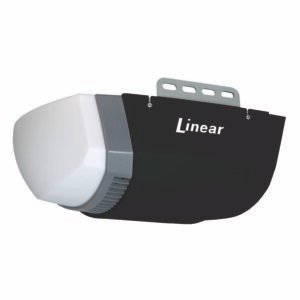
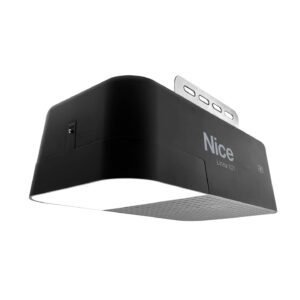
A longtime access-control brand, now part of Italy's Nice. The lineup runs from the value-focused LDCO series up to the next-generation Nice-branded openers with integrated Wi-Fi and battery backup.
Farnsworth tip: the brand matters less than getting the drive type, power, and battery backup right — and getting it installed correctly. We service every brand here, so we'll point you to the best fit for your door and budget, not the one with the biggest logo.
How to Choose Yours — A Simple Decision Path
Put it all together and the decision usually comes down to four questions, in this order:
If yes — especially with rooms nearby — lean belt or direct drive for quiet. If detached, chain drive is durable and economical.
Standard double door: 3/4 HP is the sweet spot. Heavy wood, oversized, or insulated: step up to 1 HP or more.
In Phoenix, the answer should be yes. Make it a requirement, not an afterthought.
Camera, wall-mount for ceiling space, voice control — pick the ones you'll actually use and ignore the rest.
Answer those four and you've narrowed 90+ models down to a handful. From there, browse the lineup below — or call us at (602) 935-9766 and we'll do it with you in a few minutes.
Repair or Replace? — Knowing When It's Time
Not every opener problem means a new opener — plenty are a straightforward repair. But some signs point clearly to replacement:
Motors, gears, and logic boards wear out, and parts get harder to find.
No rolling-code security — a real vulnerability on a modern home.
Or no photo-eye sensors at all — a genuine safety hazard.
It shudders the whole garage every cycle — the unit is tired.
And the monsoon outages keep stranding you in or out.
At some point the repairs add up to more than a reliable new unit.
When you call us, we'll diagnose it honestly and tell you which way the value points — we'd rather do a fair repair and earn the next call than sell you something you don't need. Either way, our garage door opener repair & replacement service handles it.
DIY vs. Professional Installation
Opener installation looks approachable, and some handy homeowners do tackle it. Here's a straight take on the trade-offs.
The reason a professional install matters isn't the opener itself — it's everything around it. The rail has to be squared and the belt or chain tensioned correctly, or a quiet opener turns noisy fast. The travel limits and force settings have to be dialed in precisely, because they're what makes the door stop in the right place and reverse safely. The photo eyes have to be aligned. And the part most DIY installs skip: the door has to be balanced and the springs healthy before an opener goes on at all. Bolting an opener onto a door with worn springs just hands the strain to the motor and shortens its life.
That's the part homeowners can't easily check, and it's where most "the new opener is already acting up" calls come from. We balance the door, set everything to spec, test the safety reverse, program your remotes, and walk you through it before we leave — so it works right from day one and stays that way. See our opener installation & replacement service for details.
Maintenance & Lifespan — Getting Your Money's Worth
A garage door opener that's looked after lasts years longer — and in our climate, a little attention goes a long way.
- Keep the drive lubricated. Chain and screw drives especially need periodic lubrication; a dry drive is a loud, hard-working drive.
- Test the safety reverse. Lay a board flat under the door — it should reverse on contact. Do this a few times a year.
- Watch the door, not just the opener. Rollers, hinges, and springs all affect how hard the opener works. A door getting harder to lift by hand is wearing the motor down.
- Replace the backup battery on schedule. They fade every few years, faster in heat — and a dead backup battery defeats the whole point.
- Get an annual tune-up. A once-a-year check catches the small stuff before it becomes a no-open morning.
Most residential openers last roughly 12–15 years in the Valley — a bit shorter than the national average because of the heat. Good maintenance pushes you toward the long end of that range.
What Affects the Cost
Every garage is a little different, so there's no one-size price — but it helps to know what actually moves the number.
The cost of getting a new opener in and running comes down to a handful of things: the drive type (chain drives are the most economical, direct drive the most premium), the motor power your door needs, and the features you choose — battery backup, a built-in camera, wall-mount hardware, and smart add-ons each add to it. Installation specifics matter too: whether your door and springs are in good shape, whether the wiring and outlet are already in place, and whether it's a straightforward swap or a first-time install.
The right move is a quick consultation — tell us about your door and your garage, and we'll help you find the opener that fits your scenario and your budget. No pressure, no upselling.
Glossary of Opener Terms
The jargon, in plain English:
- Drive type
- How the opener physically moves the door — belt, chain, screw, direct drive, or wall-mount.
- HP / HPc / Newtons
- Different ways manufacturers express an opener's pulling power. Higher numbers mean more lifting force.
- Rolling code
- Security tech where the remote and opener use a new code on every press, so the signal can't be copied and replayed.
- myQ / Aladdin Connect
- The smartphone apps for LiftMaster/Chamberlain (myQ) and Genie (Aladdin Connect) — used to control and monitor the door.
- Photo eyes
- The pair of safety sensors near the floor that stop and reverse the door if something crosses the beam.
- Auto-reverse
- The opener's ability to reverse the door automatically if it hits an obstruction.
- Battery backup
- An internal battery that keeps the opener working during a power outage.
- Travel limits
- The settings that tell the opener exactly where the door should stop when fully open and fully closed.
- Soft start / soft stop
- Smooth acceleration and deceleration so the door doesn't jerk or slam.
- Manual release
- The pull cord that disconnects the door from the opener so you can move it by hand.
- Learn button
- The button on the opener used to program remotes and keypads. Its color indicates which security generation the opener uses.
- Jackshaft
- Another name for a wall-mount opener that drives the door from the side via the torsion bar.
Frequently Asked Questions
What's the best garage door opener for a home in Phoenix?
For most attached Phoenix-area garages, a DC belt-drive opener with battery backup and a high heat rating is the sweet spot — quiet, monsoon-ready, and built for our temperatures. But "best" depends on your specific door and garage. We'll help you match it in a quick consultation.
Do I need battery backup on a garage door opener in Arizona?
We strongly recommend it. Monsoon-season power outages are routine here, and without battery backup an outage means your garage door simply won't operate. It's the single upgrade we suggest most often.
How much horsepower do I need for a double garage door?
3/4 HP (or the equivalent in newer force ratings) handles the large majority of double-car doors, including insulated ones. Heavy solid-wood or oversized doors may call for 1 HP or more. We'll size it to your actual door.
Which garage door opener is the quietest?
Direct-drive openers are the quietest, followed closely by belt drives. Both are good choices for an attached garage or a home with rooms near the garage. Screw drives are the loudest, with chain drives in the middle — both are best suited to detached garages.
Can Farnsworth install an opener I bought myself?
Absolutely. If you've already got an opener, we're glad to install it for you — just call (602) 935-9766 or book an appointment, and we'll get it mounted, tuned to spec, and safety-tested. We can also source and supply the opener as part of the job if you'd rather we handle that end too.
How long does a garage door opener last in Arizona?
Roughly 12–15 years for most residential openers here — a little shorter than the national average because garage heat is hard on the internal components. Good maintenance and an annual tune-up push you toward the longer end.
What areas does Farnsworth serve?
We install and repair garage door openers across Phoenix, Mesa, Gilbert, Chandler, Queen Creek, Scottsdale, Tempe, San Tan Valley, Apache Junction, Gold Canyon, Fountain Hills, Maricopa, Guadalupe, and the rest of the East Valley.
Garage Door Opener Repair & Installation Across the Phoenix Metro
Farnsworth installs, repairs, and services every current garage door opener across Phoenix and the entire East Valley. Wherever you are in the metro, we'll come to you — same-day service is our standard.
Not sure if we cover your neighborhood? Call (602) 935-9766 — if you're in the Phoenix metro, we've almost certainly got you.
Still Not Sure Which Opener Is Right for You?
That's exactly what we're here for. Tell us about your garage and we'll point you to the opener that fits your door, your home, and your budget — across Phoenix and the East Valley.
Brands We Service
Every brand below has its own engineering quirks, programming patterns, and accessories. Here's a quick orientation on each — so when you tell us "I think it's a Chamberlain" or "the LiftMaster is making a weird noise," we already know exactly what you've got. Click any brand to see the full lineup of models we install and service.

LiftMaster
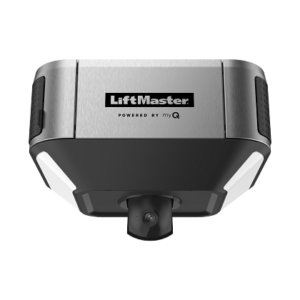
14 modelsLiftMaster is the dominant brand of professionally-installed garage door openers in North America, made by Chamberlain Group. Their lineup includes the Elite Series wall-mount openers, the Premium Series belt and chain drives with built-in Wi-Fi, the Secure View camera-equipped models, and the Contract Series budget chain drives. Farnsworth installs, repairs, and services every LiftMaster model across Mesa, Gilbert, Chandler, Queen Creek, and the rest of the East Valley — current generation and legacy units alike.

Chamberlain
33 modelsChamberlain is the consumer-retail sibling of LiftMaster, same parent company and same engineering, more commonly bought at Home Depot or Lowes than from a professional installer. Their Smart Wi-Fi belt drives, Secure View camera models, and battery-backup options are widespread across the Phoenix metro. The newest Chamberlain camera models (B6650, B6753ST, B6755T) use Security+ 3.0 with a white learn button — distinct from older Security+ 2.0 yellow-button accessories. We service every Chamberlain opener in the East Valley.

Genie
26 modelsGenie has been a fixture of the DIY garage door opener market for more than 60 years. Their residential lineup spans the Signature Series (premium with Aladdin Connect Wi-Fi), SilentMax belt drives, StealthDrive battery-backup models, TriloG chain drives, and the MachForce screw drive — the fastest residential opener at 12 inches per second. If you bought your opener at Home Depot, Lowes, or Walmart in the last decade, it's likely a Genie. Farnsworth services every Genie residential model.

Marantec
6 modelsMarantec is a German manufacturer that has built precision garage door openers since 1957. Their RDD side-mounted direct-drive openers handle doors up to 22 feet tall and 1,150 lbs — ideal for carriage-house, wind-loaded, or oversized residential doors. The Synergy 200 and Synergy 300 ceiling-mount belt drives include the Synergy 370, the fastest residential opener available at 9.3 inches per second. Premium choice for tall, heavy, or architecturally-unusual doors in custom East Valley homes.

Sommer
6 modelsSommer is a German manufacturer whose evo+ direct-drive openers use a single moving part — the motor itself glides along a fixed chain. That one design choice makes Sommer the quietest residential opener on the market today. Standby power under 2 watts, lifetime motor warranty, 6-year parts warranty, and UL US-Listed certification. A premium pick for luxury homes with attached garages where noise transfer matters.

Linear / Nice
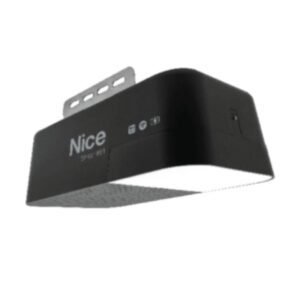
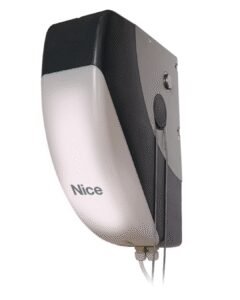
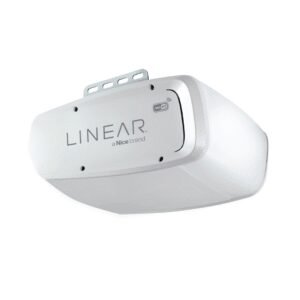
11 modelsLinear has been an access-control mainstay for decades, particularly common in older East Valley installs. In 2023, Linear became part of Nice, the Italian access-systems company. The combined Nice/Linear residential lineup ranges from the budget-friendly LDCO800 single-light DC opener up to the next-generation Nice/Linear 661 with integrated battery backup and Wi-Fi. We service every Linear and Nice/Linear residential opener — the older LDCO series and the newer Nice-branded models alike.
Featured Openers
Our pick of the most popular models across all brands. Filter to narrow down.
 B6630
B6630 B6830
B6830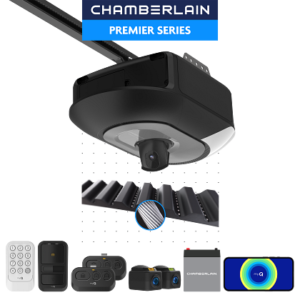 B6650
B6650 B6850
B6850 B2310C
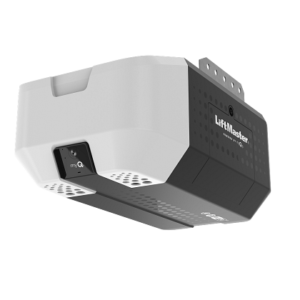 2420L
2420L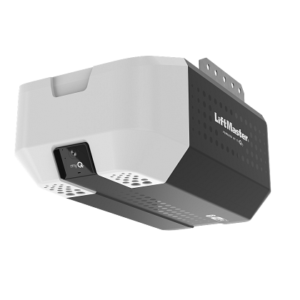 2220L
2220L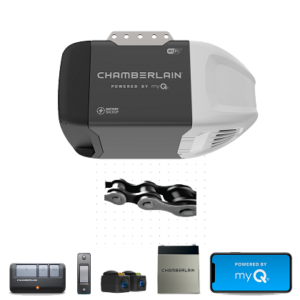 C2212T
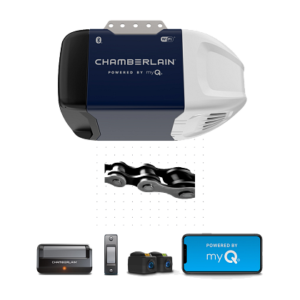 C2202T
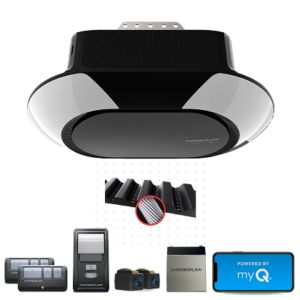 B6713T
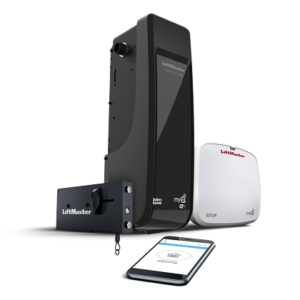 98022
98022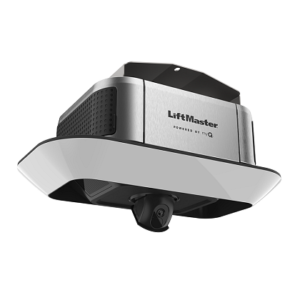 4690L
4690L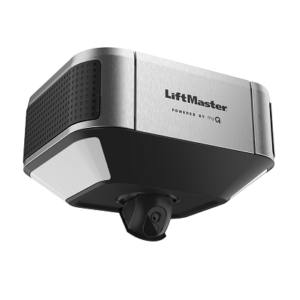 6580L
6580L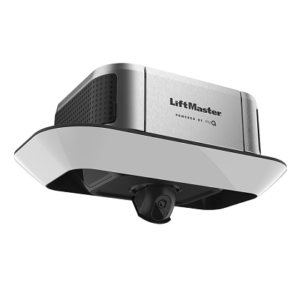 6690L
6690L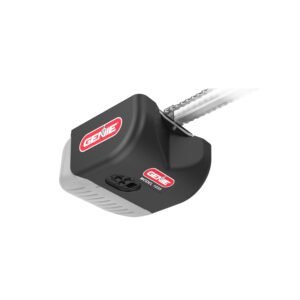 1035
1035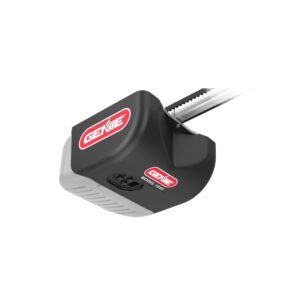 1055
1055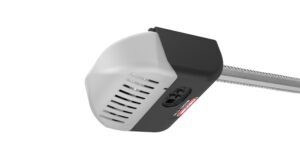 1135
1135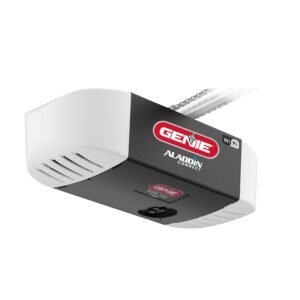 2033
2033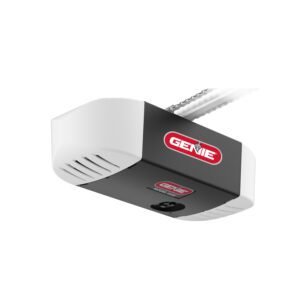 2035
2035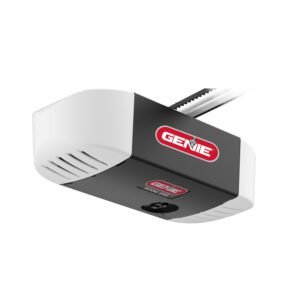 2055
2055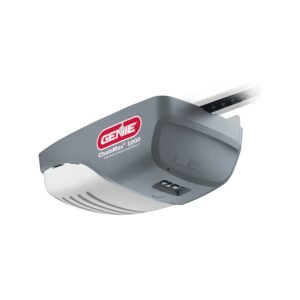 3022
3022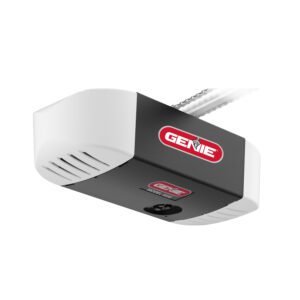 3035
3035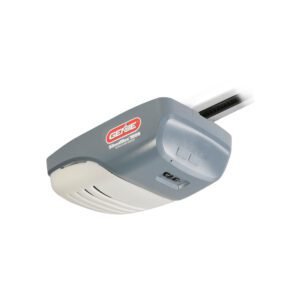 3042
3042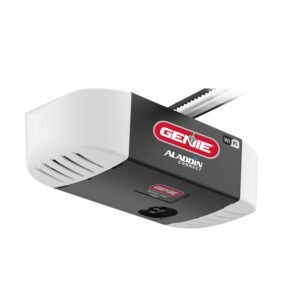 3053
3053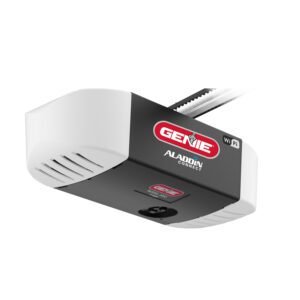 3053TKV
 3055
3055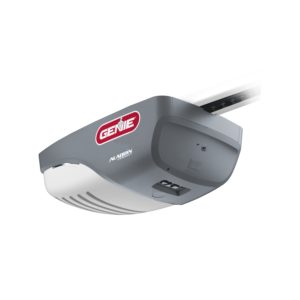 3142
3142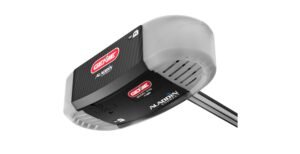 3155D
3155D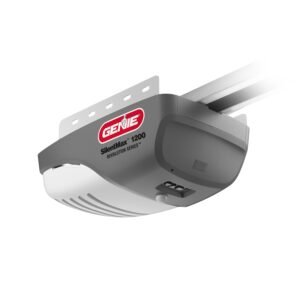 4042
4042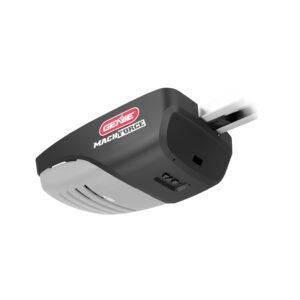 4062
4062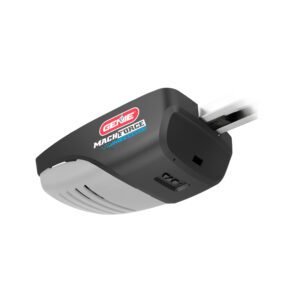 4063
4063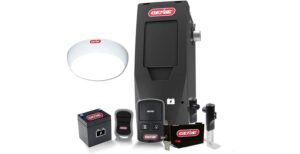 6072
6072 6172
6172 7035
7035 7055
7055 7055D
7055D 7155
7155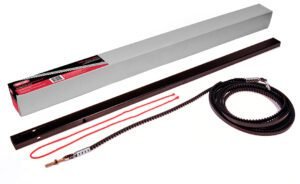 7155D
7155D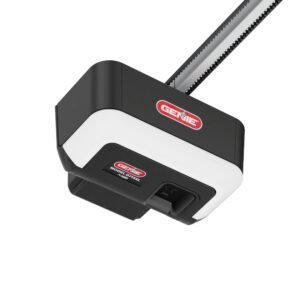 D7155L
 E7155L
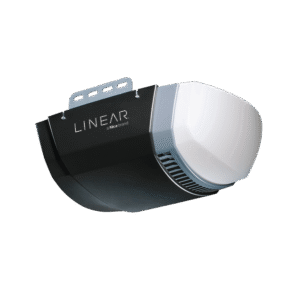 LDCO801
 LDCO800
 NICE-621
 98032
98032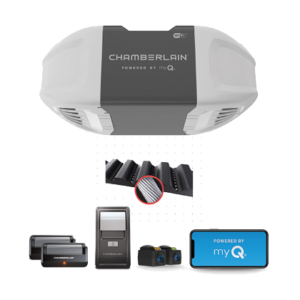 B2401T
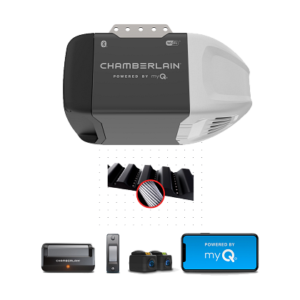 B2202T
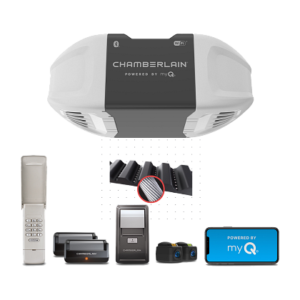 B2405T
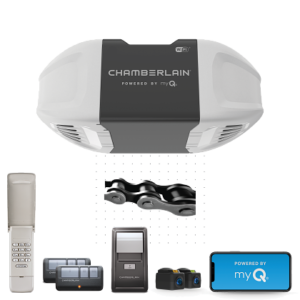 C2405T
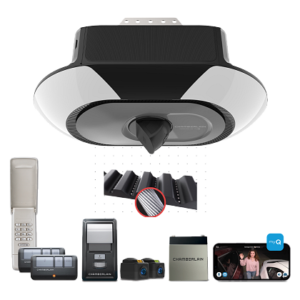
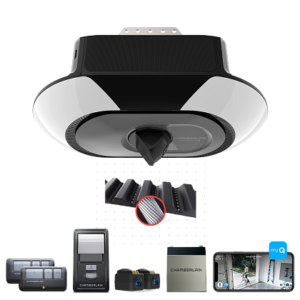 B6753ST
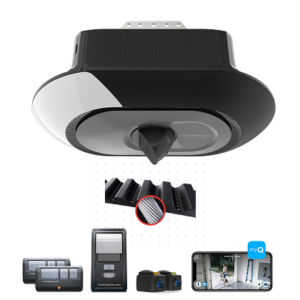
 B6755T
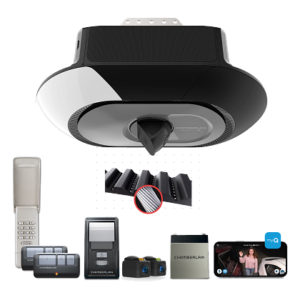
 B4643ST
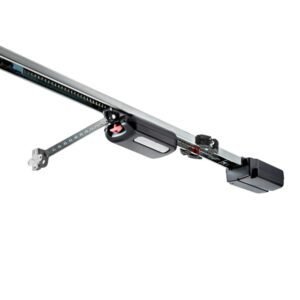
 B4655ST
 EVO-2060
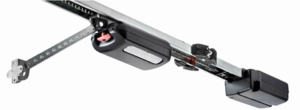 EVO-2060-BBU
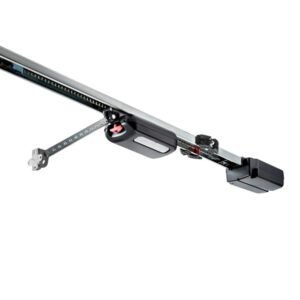 EVO-2080
 EVO-2080-BBU
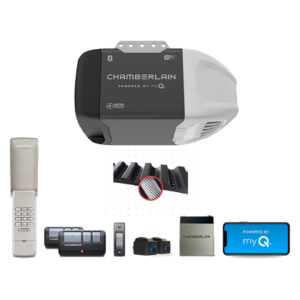 B2215T
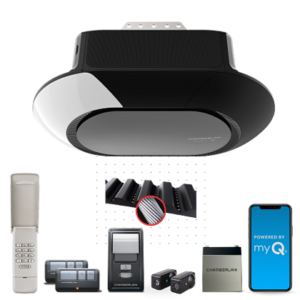 B4613T
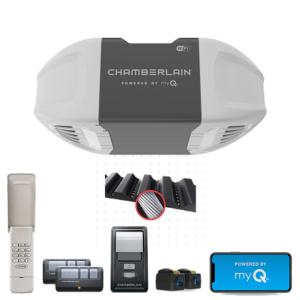 B4505T
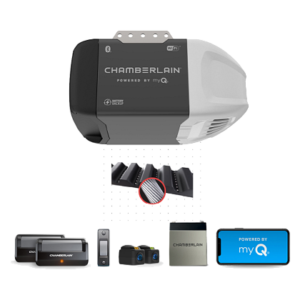 B2211T
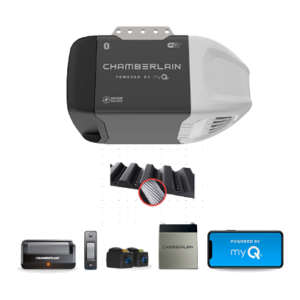 B2210T
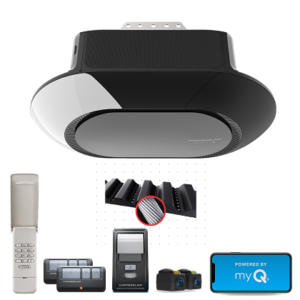 B4603T
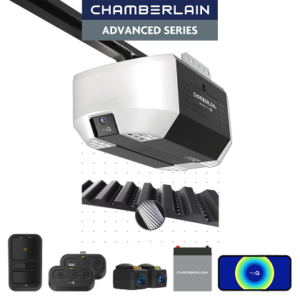 B5330
B5330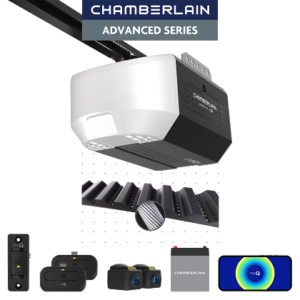 B3010
B3010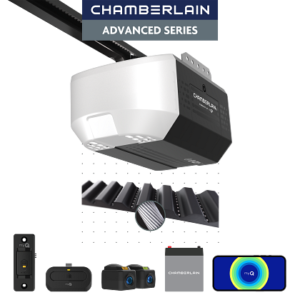 B3000
B3000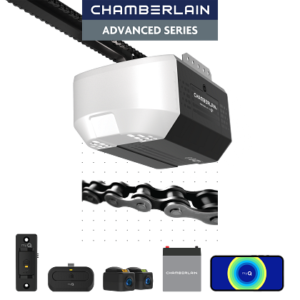 C3000
C3000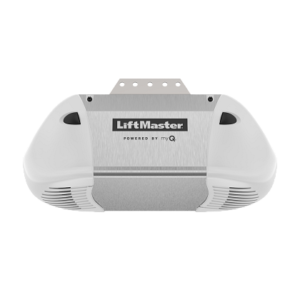 83650-267
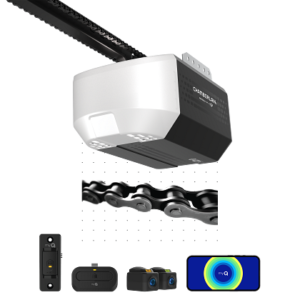 C1000
C1000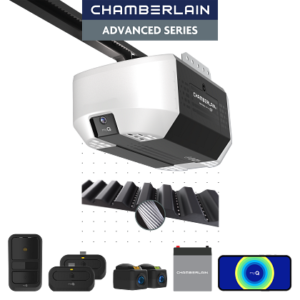 B4310
B4310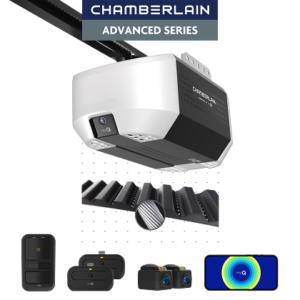 B2310
B2310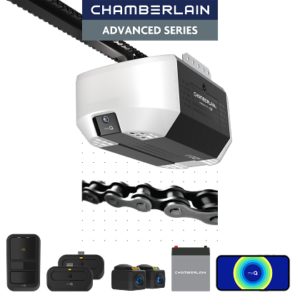 C4310
C4310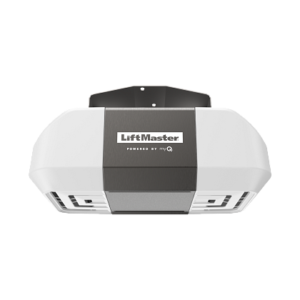 85870
85870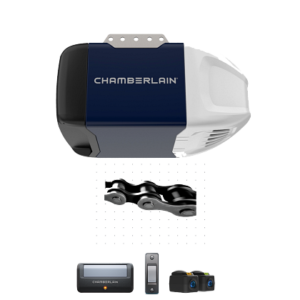 D2101
D2101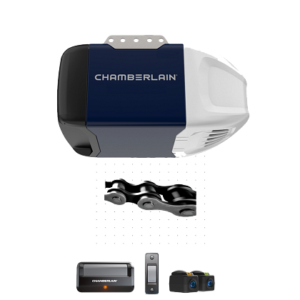 C2102
C2102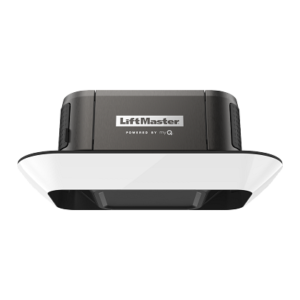 87802
87802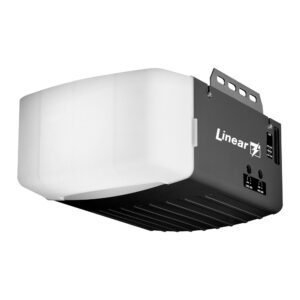 LDCO-CLASSIC
 NICE-661
 LDCO-RJS
 LDCO860
 LDCO863B
 84505R
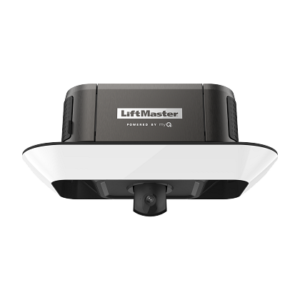 87504-267
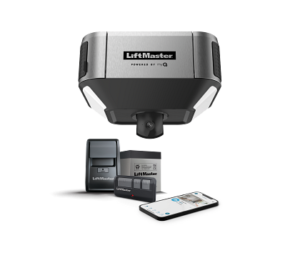 84504R
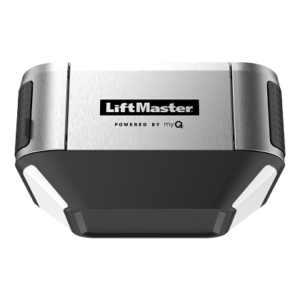 84602
84602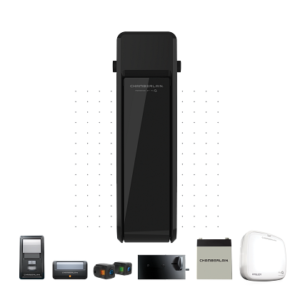 RJO101
Need an Opener Installed or Repaired?
We work on every brand and every model — and the ones that didn't make the list. Same-day service is our standard, and we'll treat your garage like a neighbor's.